How Often Should You Clean Artificial Turf in Florida?
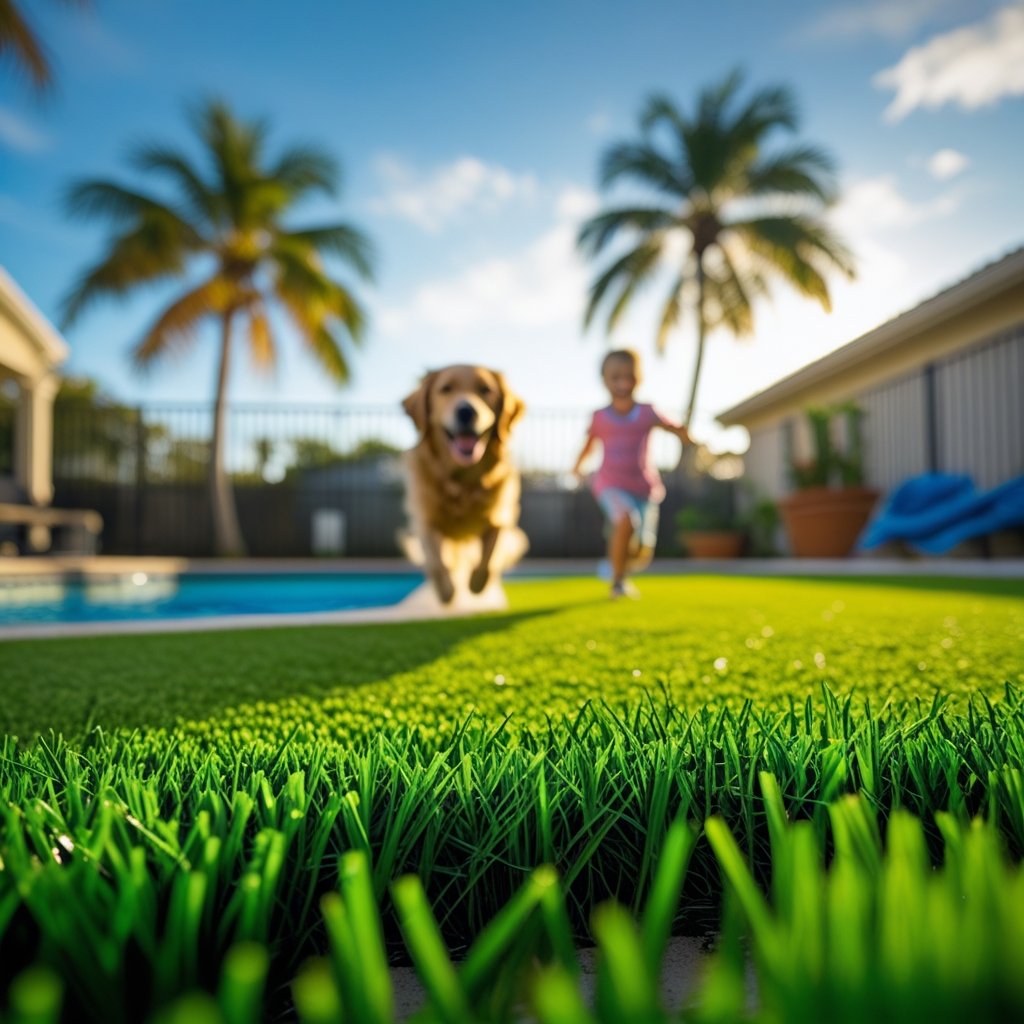
One of the most common questions we hear from turf owners across South Florida is straightforward: how often does my artificial turf actually need professional cleaning? The answer depends on several factors, including whether the turf is residential or commercial, how much foot and pet traffic it receives, and what South Florida's unique climate throws at it throughout the year.
Getting the frequency right matters more than most people realize. Clean too infrequently and you risk bacterial buildup, odor problems, and premature fiber degradation. Overclean with harsh DIY methods and you can damage the turf system itself. The goal is a maintenance rhythm that keeps your turf safe, fresh, and performing at its best without unnecessary expense.
Why South Florida Turf Needs More Frequent Cleaning
If you have lived in South Florida for any length of time, you already know the climate is intense. But understanding exactly how that climate affects your artificial turf explains why maintenance schedules from other regions simply do not apply here.
- Humidity: South Florida averages 74-76% relative humidity year-round. This persistent moisture creates an ideal breeding ground for bacteria and mold within the turf infill layer. What might take months to become a problem in Arizona or Nevada can develop in weeks here.
- UV exposure: We receive some of the highest UV index ratings in the continental United States. Prolonged UV exposure degrades turf fibers over time, and when combined with trapped debris and organic matter, it accelerates discoloration and fiber brittleness.
- Storm season: From June through November, tropical storms and hurricanes deposit enormous amounts of organic debris, standing water, and contaminants onto turf surfaces. A single major storm event can undo months of maintenance in a matter of hours.
- Year-round warmth: Unlike northern climates where cold winters naturally suppress bacterial growth, South Florida's warmth means bacteria and mold reproduce continuously, twelve months a year. There is no off-season for turf contamination here.
- Pet traffic patterns: Florida's outdoor lifestyle means pets spend more time on turf year-round. There is no seasonal reduction in pet use, which means urine and waste accumulation is a constant factor.
Residential Cleaning Frequency: A Practical Guide
Residential turf cleaning frequency depends primarily on two variables: pet ownership and total square footage of turf. Here are our recommendations based on years of servicing South Florida homes.
Homes Without Pets
If you do not have dogs or cats using your turf, your cleaning needs are significantly lower. Dust, pollen, leaf debris, and general environmental contamination still accumulate, but without the biological load of pet waste.
- Professional deep cleaning: Every 6 months. A twice-yearly Deep Extraction Cleaning removes embedded debris, restores infill distribution, and keeps fibers upright and resilient.
- Sanitization: Once per year minimum. Antimicrobial Sanitization eliminates bacteria, mold spores, and allergens that accumulate even without pet use.
- DIY maintenance: Weekly hosing and monthly brushing with a stiff-bristled broom to prevent matting and debris accumulation.
Homes With 1-2 Pets
This is the most common scenario we encounter. One or two dogs using the turf daily introduces a steady stream of biological contaminants that require more aggressive maintenance.
- Professional deep cleaning: Every 3-4 months. The deep extraction removes organic matter that daily rinsing cannot reach.
- Pet Odor Treatment: Every 2-3 months, depending on the size of your dogs and how concentrated their use area is. Uric acid crystals accumulate steadily and require enzyme-based treatment for removal.
- Antimicrobial Sanitization: Every 3-4 months, paired with the deep cleaning for maximum effectiveness.
- DIY maintenance: Daily waste pickup, daily or every-other-day rinsing of pet areas, weekly full-surface rinse.
Homes With 3+ Pets or Large Breeds
Multiple dogs or large breeds generate significantly more biological load. Great Danes, German Shepherds, Labradors, and similar breeds produce substantially more urine volume per use, and multiple pets create overlapping contamination zones.
- Professional deep cleaning: Every 2 months. With heavy pet traffic, the infill layer saturates with organic matter faster than lighter-use installations.
- Pet Odor Treatment: Every 6-8 weeks. Heavy pet use accelerates uric acid crystal buildup beyond what quarterly treatment can manage.
- Antimicrobial Sanitization: Every 2 months, essential for managing the elevated bacterial load.
- DIY maintenance: Daily waste pickup and rinsing is mandatory, not optional. Weekly brushing of all pet-use areas.
Commercial Cleaning Frequency by Property Type
Commercial turf sees dramatically higher use intensity than residential installations. The cleaning frequency must reflect this increased load, and the consequences of under-maintenance are more severe, both for hygiene compliance and liability.
- Dog daycares and pet facilities: Every 2-4 weeks. These are the highest-intensity turf environments we service. Dozens of dogs using the same surface daily creates extreme biological load that demands near-monthly professional treatment.
- Gyms and fitness centers: Monthly. Heavy foot traffic, sweat, and skin contact require consistent sanitization to maintain a safe training surface.
- Sports facilities: Monthly during active seasons, quarterly during off-seasons. Athlete safety and surface performance depend on clean, well-maintained turf.
- HOAs and apartment communities: Every 2-3 months. Common area turf serves multiple families and pets, creating a shared contamination load that exceeds any single household.
- Rooftop installations: Every 3-4 months. While foot traffic may be moderate, rooftop turf is exposed to extreme UV and wind-carried debris that accelerates degradation.
For a comprehensive breakdown of commercial turf cleaning considerations, including compliance requirements and cost structures, see our property manager's guide.
Signs Your Turf Is Overdue for Cleaning
Sometimes schedules slip. Life gets busy. Here are the warning signs that your turf needs professional attention now, regardless of when the last cleaning was:
- Persistent odor: If you can smell your turf from several feet away, especially on warm or humid days, bacterial colonies and uric acid crystals have reached problematic levels. Rinsing will not fix this.
- Visible discoloration: Healthy turf maintains a consistent color. Yellow, brown, or dark patches indicate contamination, organic buildup, or early mold growth within the infill.
- Matted fibers: Turf fibers should stand upright and spring back when stepped on. If large areas remain flat or matted, debris accumulation is weighing down the fibers and trapping moisture against the backing.
- Standing water or slow drainage: Artificial turf is designed to drain efficiently. If water pools on the surface after rain or rinsing, the drainage holes are likely clogged with compacted debris and organic matter.
- Increased allergies or irritation: If family members or pets experience skin irritation, respiratory symptoms, or allergic reactions after contact with the turf, mold spores and bacteria have reached levels that affect air quality.
- Insect activity: Ants, gnats, and other insects are attracted to the organic matter trapped in dirty turf. If you notice increased insect activity around your turf, it is a sign of significant organic buildup in the infill layer.
The Benefits of a Maintenance Plan
Rather than scheduling individual cleanings and trying to remember when the last service was, a maintenance plan ensures your turf receives consistent, properly-timed professional care. Our maintenance packages offer several advantages:
- Cost savings: Maintenance plans are priced below individual service rates. Regular cleaning also prevents the kind of severe contamination that requires more intensive, more expensive remediation.
- Extended turf lifespan: Properly maintained artificial turf lasts 15-20 years. Neglected turf often needs replacement in 8-10 years, at a cost of $8-12 per square foot installed.
- Consistent performance: Regular deep extractions keep infill properly distributed and fibers upright, maintaining the look and feel of new turf.
- Health protection: Scheduled antimicrobial sanitization and pet odor treatments prevent bacterial and odor problems from ever reaching noticeable levels.
- Priority scheduling: Maintenance plan clients receive priority booking, which is particularly valuable during our busiest seasons after storm events and during peak summer heat.
Building Your Maintenance Schedule
The right maintenance schedule is one you can actually stick to. Here is a practical framework for South Florida turf owners:
Minimum Viable Maintenance (No Pets)
- Weekly: Quick hose rinse, debris removal
- Monthly: Thorough brushing with stiff-bristled broom
- Every 6 months: Professional Deep Extraction Cleaning
- Annually: Full-service cleaning with Antimicrobial Sanitization
Recommended Maintenance (Pet Owners)
- Daily: Waste pickup, targeted rinse of pet areas
- Weekly: Full-surface rinse and light brushing
- Every 2-3 months: Professional Pet Odor Treatment
- Every 3-4 months: Deep Extraction Cleaning + Antimicrobial Sanitization
After Storm Events
- Immediate: Remove large debris manually
- Within 48 hours: Thorough rinse to remove silt, mud, and organic matter
- Within 1 week: Schedule professional deep cleaning if significant debris or flooding occurred. See our hurricane season turf recovery guide for detailed post-storm protocols.
Artificial turf in South Florida is a significant investment that delivers years of value when properly maintained. The cleaning frequency that works for a property in Colorado or Michigan will leave your turf dangerously under-maintained in our climate. Understanding the specific demands of South Florida conditions and building a maintenance schedule around them is the difference between turf that looks and performs like new for decades and turf that becomes a health concern within a few years.
Ready for Pristine Turf?
Get on a maintenance schedule that keeps your turf clean, safe, and odor-free year-round. Request a free, no-obligation quote for your South Florida property. We service all of Broward, Palm Beach, and Miami-Dade counties.
Get Your Free Quote